



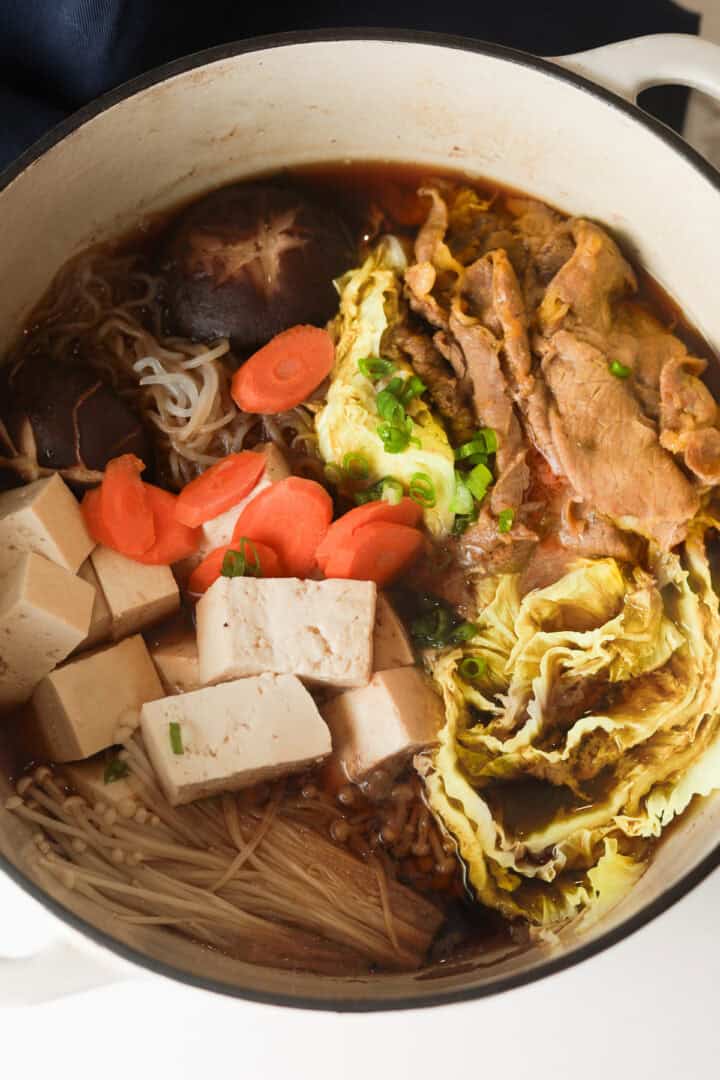
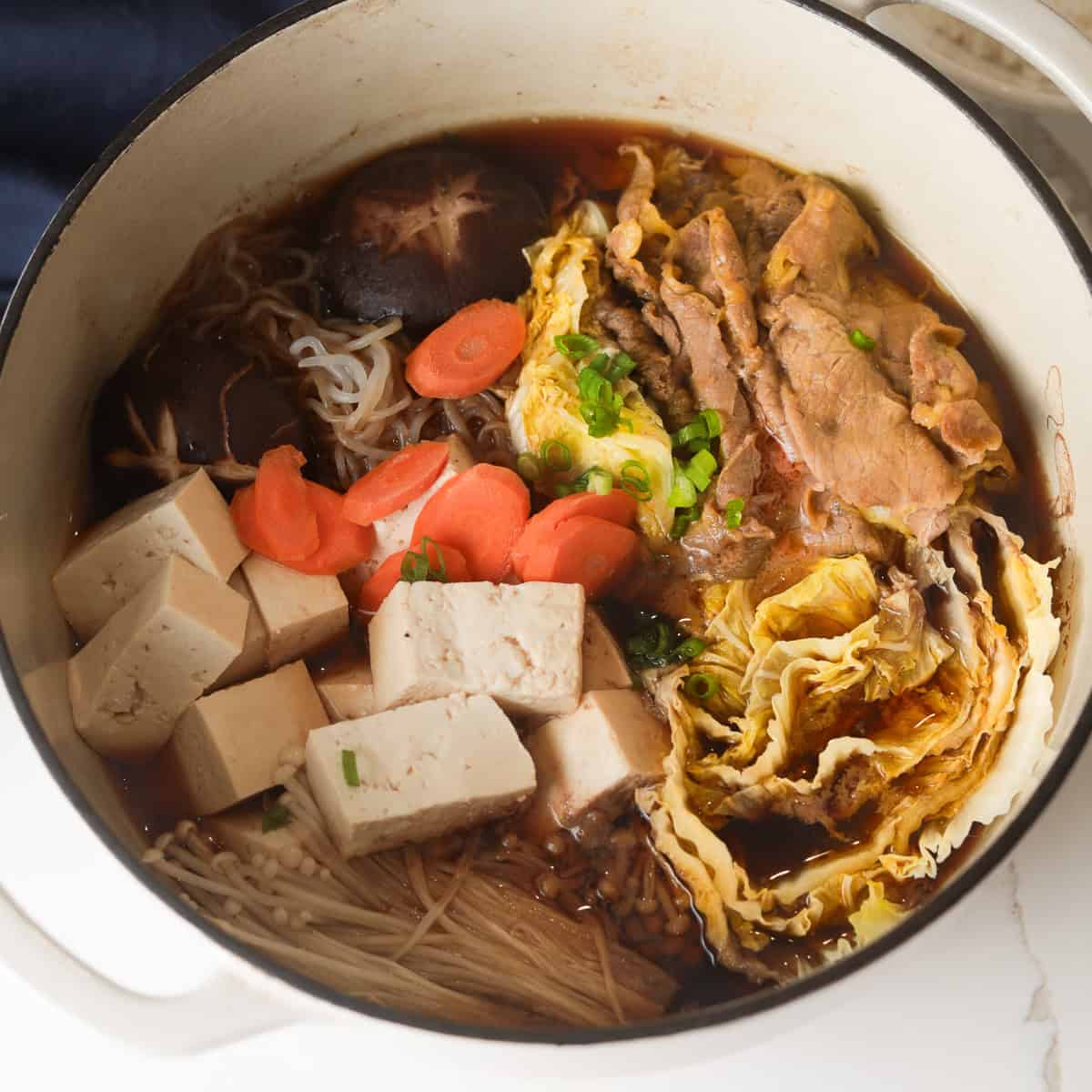
Beef sukiyaki is a comforting meal that’s quick and easy to make, ready in under 30 minutes. This is a hotpot-type dish made with thinly sliced beef, tofu, mushrooms, vegetables, and noodles that are gently simmered in a savory, sweet broth until everything becomes infused with a rich umami flavor. It's a cozy one-pot meal that's perfect for chilly evenings or family gatherings.
Want to save this recipe for later?
Table of contents
Why this Beef Sukiyaki Recipe is On Weekly Rotation
- Cozy meal made for sharing - Gathering around a pan of simmering sukiyaki makes dinner feel extra special.
- Everyone gets their favorite ingredients - Choose from tender beef to tofu, mushrooms, and noodles, there's something for everyone.
- Quick and easy - Cooked in one pot on the stove in just 30 minutes!
What is Beef Sukiyaki?
Beef sukiyaki is a classic Japanese hot pot dish that combines thinly sliced beef, tofu, vegetables, and noodles simmered in a “warishita” which is a mixture of savory-sweet soy sauce, mirin, and sugar broth. The flavors are umami-rich with deep beef flavors that make this a comfort meal during winter in Japan.
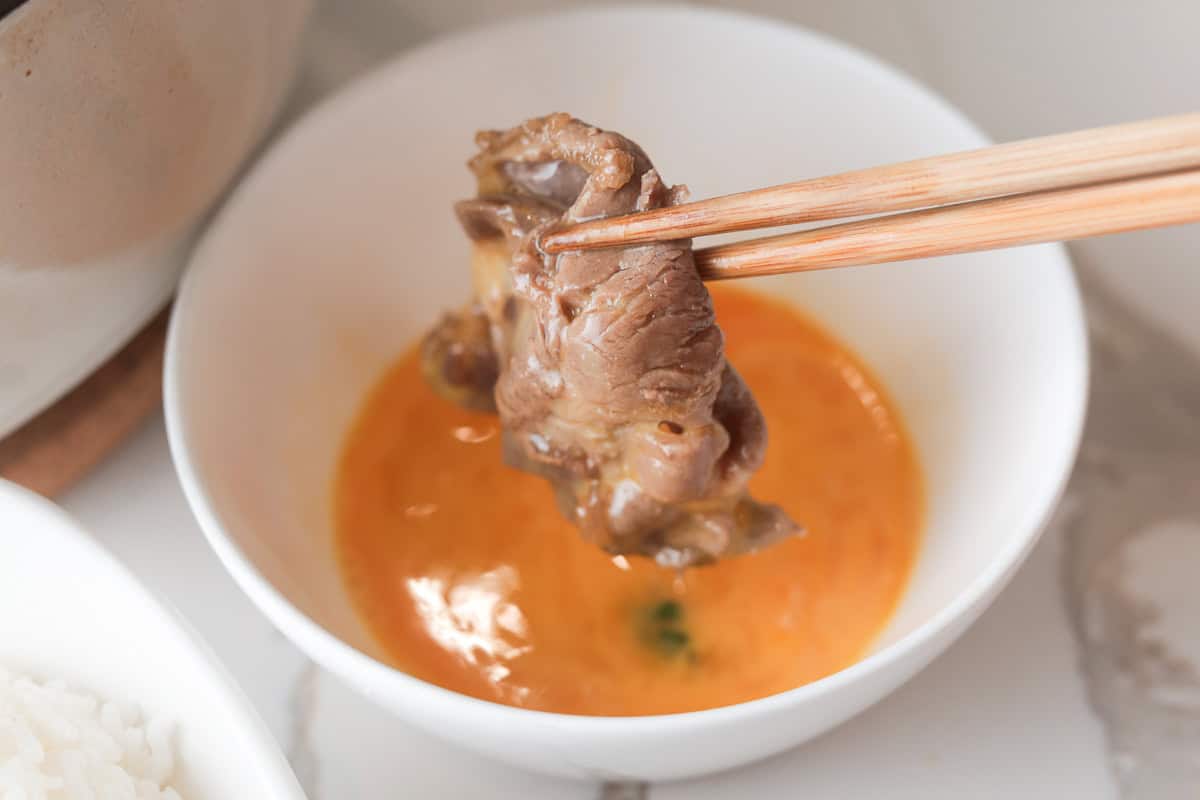
Much like other Japanese hot pots, everyone gathers around the table and cooks the ingredients together in a shared pot. As the ingredients finish cooking, each person picks out what they'd like to eat and traditionally dips it into a bowl of beaten raw egg before each bite.
Different Types of Beef Sukiyaki: Kansai-Style vs. Kanto-Style Sukiyaki
There are two main styles of Japanese sukiyaki: Kanto and Kansai.
Kanto-style uses a prepared warishita broth made with soy sauce, mirin, sugar, sake, and dashi. The beef is lightly seared before the broth and remaining ingredients are added to simmer together. This method is easier to follow and creates a balanced, flavorful broth.
Kansai-style skips the prepared broth. Instead, the beef is cooked first, then seasoned directly with sugar and soy sauce before the vegetables are added. Since there's little added liquid, the flavors are richer and more concentrated, but this method requires more attention to balance the flavors.
This recipe follows the Kanto-style method because it's simple, beginner-friendly, and delivers consistently delicious results.
Ingredients
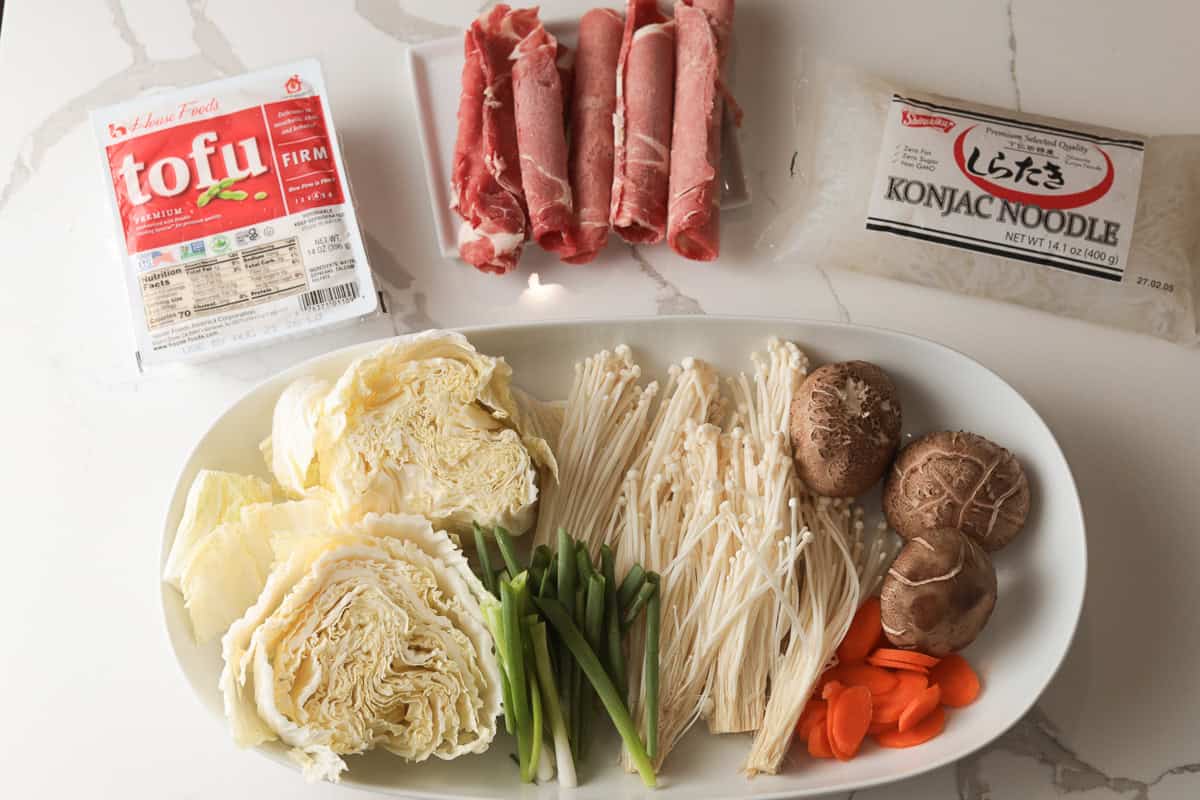
- Beef slices - This recipe requires thinly sliced beef, so it cooks quickly and stays tender.
- Shirataki noodles - traditional Japanese noodles made from konjac yam that absorb the flavorful broth and add a chewy texture. You can find them in the refrigerated noodle section of Asian grocery stores.
- Tofu - Firm tofu is used to hold its shape well while simmering
- Shiitake mushrooms- add a deep earthy flavor that complements the beef and broth beautifully. But if you have other mushrooms available feel free to use them!
- Enoki mushrooms- provide a delicate texture and mild flavor. They cook quickly and absorb the broth exceptionally well.
- Vegetables -Napa Chinese Cabbage and carrot adds sweetness, crunch, and fiber to the dish.
- Green Onion - adds a fresh, mild onion flavor that balances the richness of the broth and beef.
Warishita Sauce Ingredients
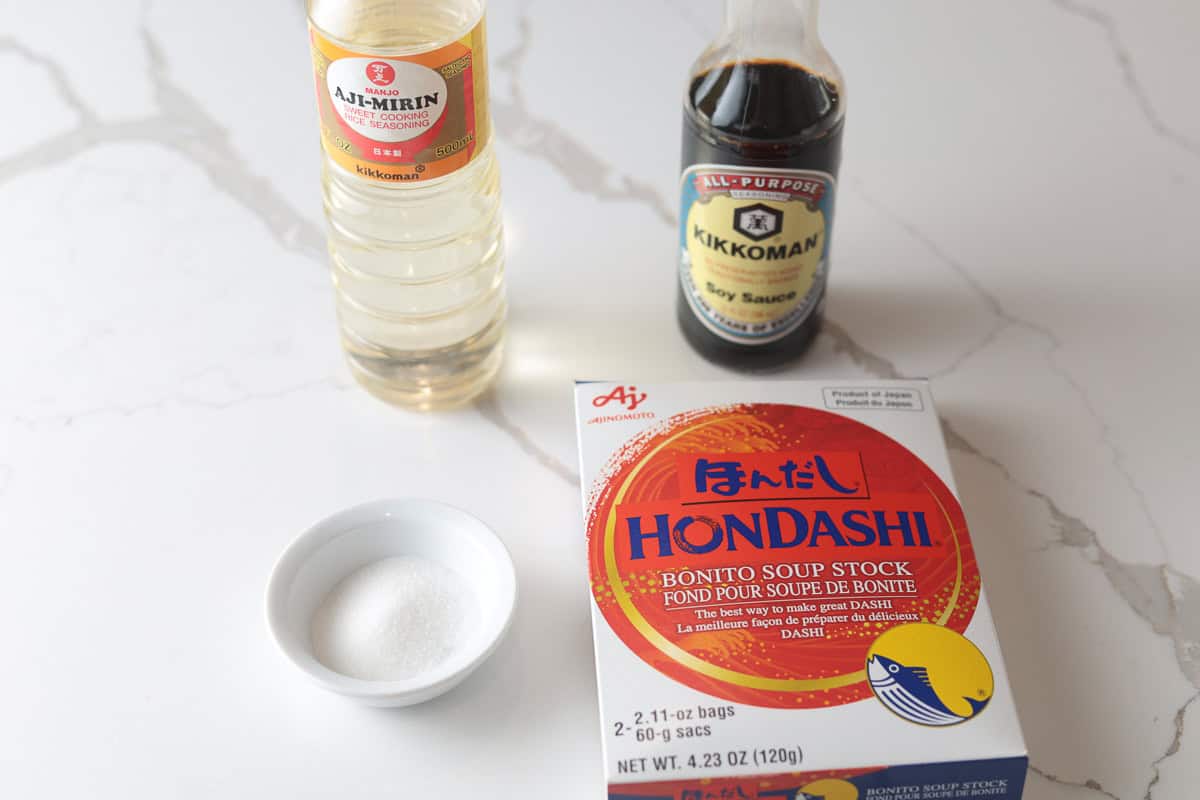
- Sauces - soy sauce and mirin is the base sukiyaki broth to capture that savory, umami taste.
- Dashi powder- adds an extra layer of umami that makes the broth taste more authentic and flavorful.
- Sugar - balances the saltiness of the soy sauce and enhances the signature sweet-savory flavor profile of sukiyaki.
How to Make Beef Sukiyaki
1. Make the sukiyaki (Warishita) broth
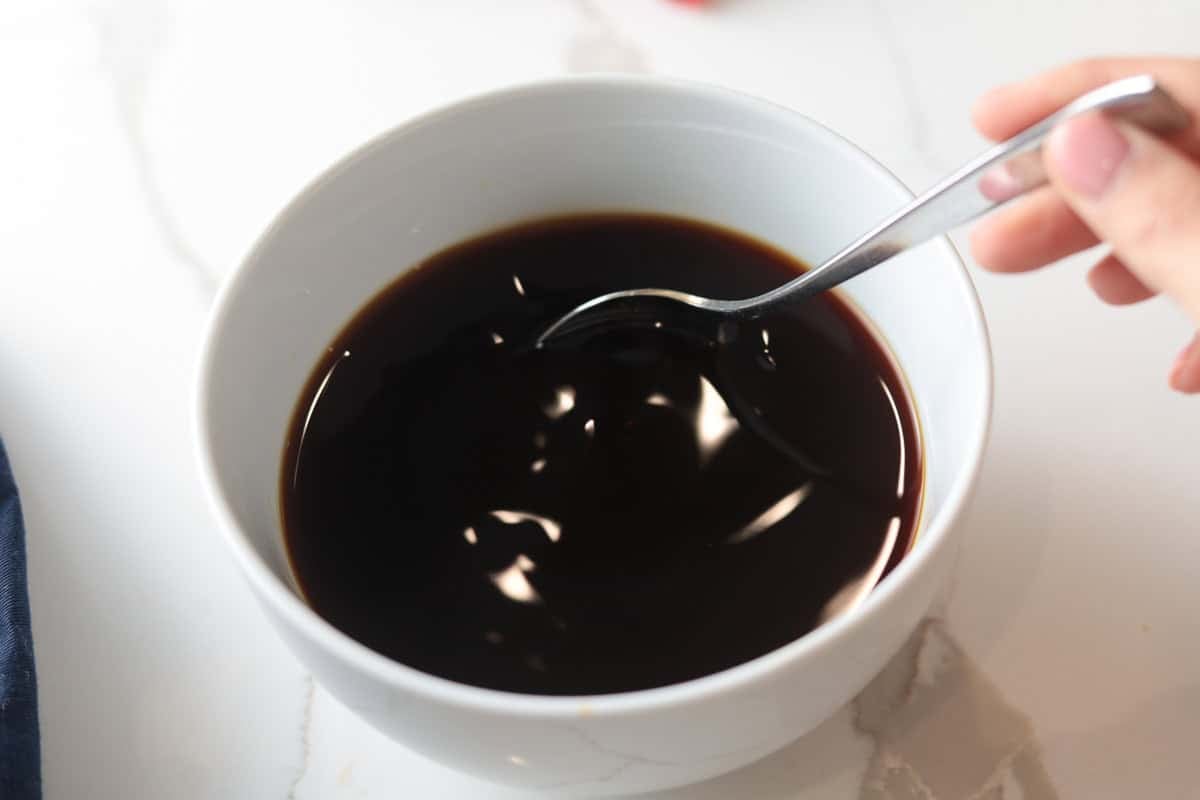
Mix the soy sauce, mirin, water, dashi powder, and sugar in a bowl until the sugar dissolves completely. Set aside while you prepare the remaining ingredients.
2. Prepare the ingredients
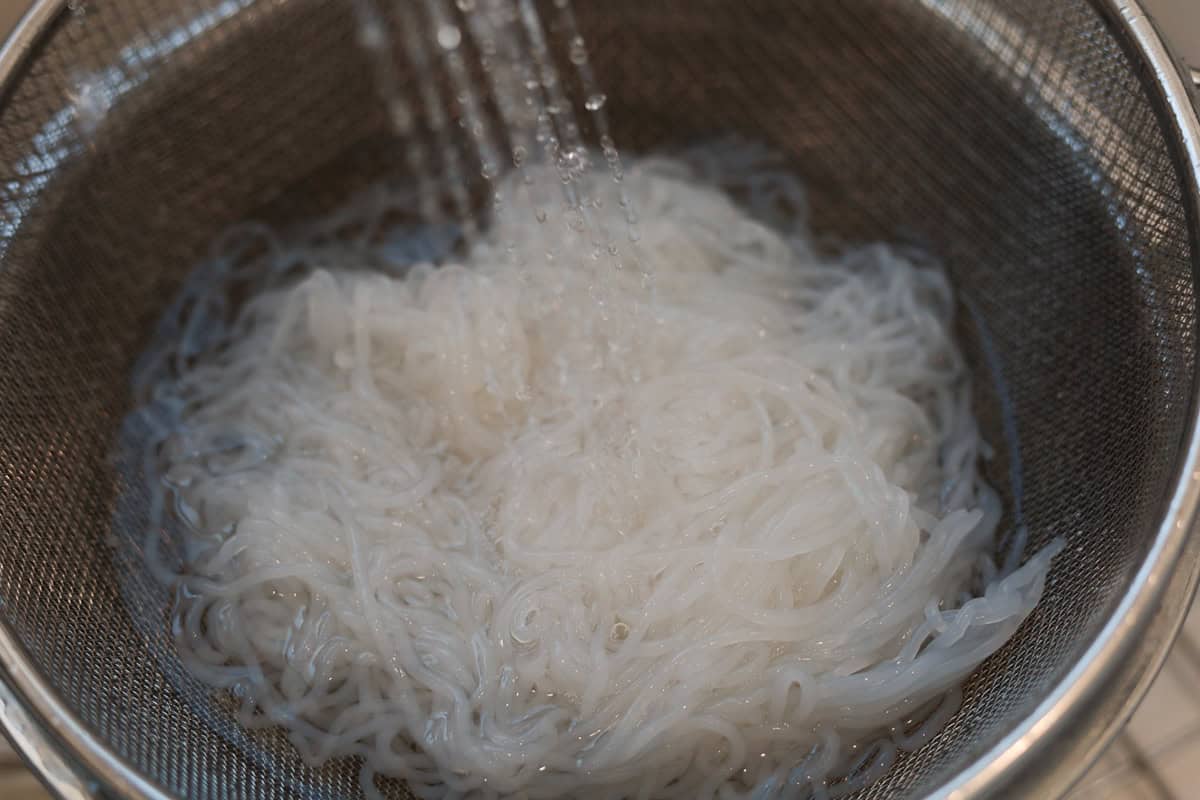
Rinse the shirataki noodles and drain.
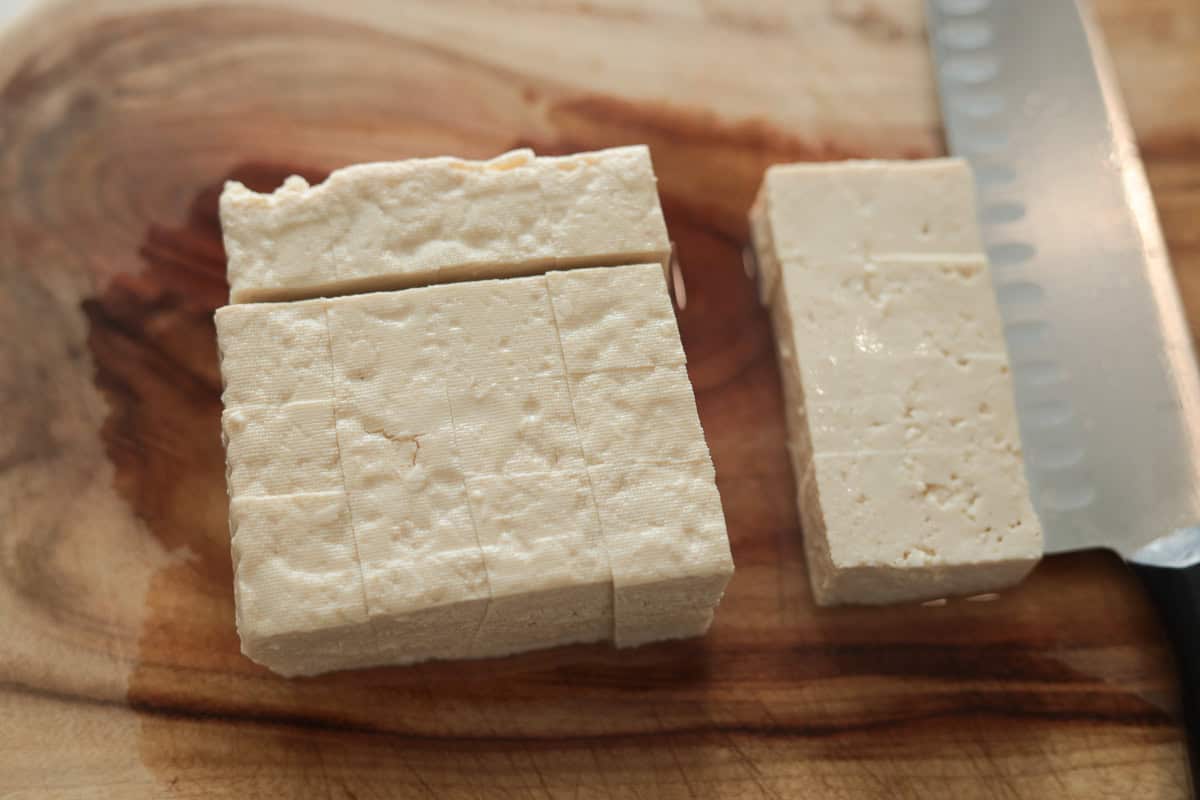
Drain the tofu and cut into bite-sized cubes. Slice the green onion into pieces. Remove the stems from the shiitake mushrooms and score decorative cuts if desired. Separate the enoki mushrooms into small clusters. Cut the napa cabbage into bite-sized pieces.
3. Add the ingredients
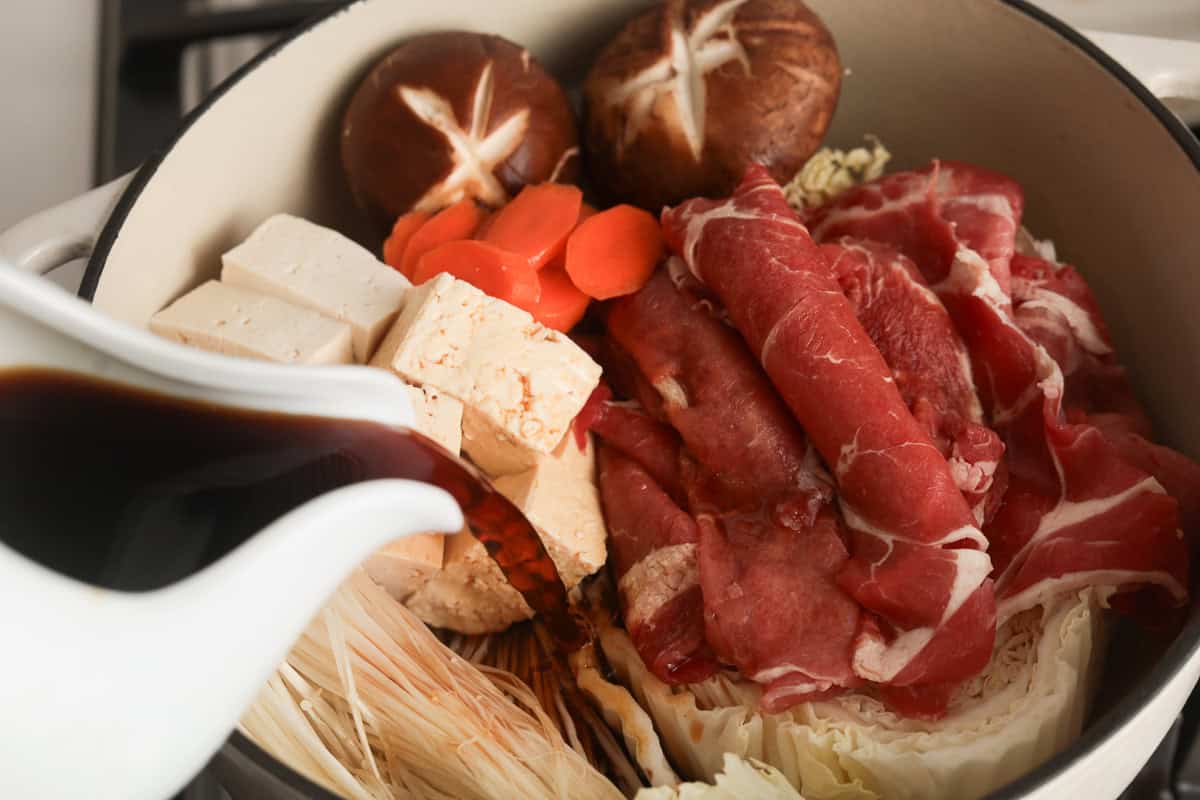
Layer the ingredients into a large cooking pot. Pour in the warishita broth.
4. Simmer the sukiyaki
Cover and simmer for a few minutes until the vegetables begin to soften and meat is cooked.
5. Serve and enjoy!
How to Eat Beef Sukiyaki the Japanese Way
- Share it family-style. Place the pot in the center of the table with a portable butane gas burner or electric induction stove, so everyone can cook and help themselves throughout the meal.
- Pair it with steamed rice. Spoon the beef, vegetables, noodles, and flavorful broth over the rice.
- Dip each bite in beaten raw egg (optional). Traditionally, the cooked beef and vegetables are dipped into lightly beaten raw egg before eating. The egg creates a silky coating and balances the rich, sweet-savory flavors of the broth.
- Keep adding ingredients as you eat. As space opens up in the pot, add more beef, vegetables, tofu, or noodles to keep the meal going and enjoy freshly cooked bites throughout the meal.
Substitutions & Variations
- Mushrooms: You can use any mushrooms you have on hand. If shiitake isn’t available, button mushrooms, oyster mushrooms, or cremini work well too.
- Noodles: Shirataki noodles can be swapped with mung bean noodles (glass noodles) if needed. Just adjust cooking time based on the package instructions.
- Vegetables: Feel free to use whatever greens you have available. Bok choy is a great substitute for napa cabbage, and you can also add spinach, cabbage, or other leafy vegetables.
- Protein & extras: Cuts like ribeye or beef loin work especially well, and wagyu-style sliced beef is an excellent option if you want a more premium, melt-in-your-mouth texture. These are often sold pre-sliced and frozen in Asian grocery stores, and even some larger supermarkets like Costco carry them in the frozen section. While beef is traditional, you can also add or substitute with chicken, pork, or extra tofu depending on what you prefer.
Pro Tips to Make the Best Beef Sukiyaki
- Use thinly sliced beef for the most tender texture and quickest cooking time.
- Avoid overcooking the beef, as it can become tough once simmered in the broth.
- Use Japanese soy sauce and mirin for the most authentic flavor.
- Add extra broth if needed, especially if serving the dish for a longer period at the table.
What to Serve with Beef Sukiyaki
- Brown Rice - A simple bowl of brown rice helps soak up all the flavorful sukiyaki broth. Its nutty taste also adds a slightly earthy contrast that keeps the meal from feeling too heavy.
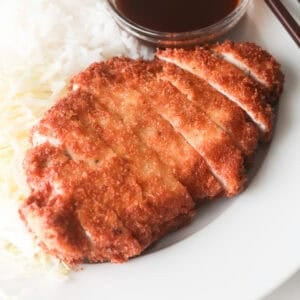
- Pork Katsu - If you're serving sukiyaki for a bigger Japanese-inspired meal, pork katsu adds a crispy, crunchy element that contrasts nicely with the soft, simmered textures of the hot pot.
- Udon Noodles - For a complete Japanese- inspired meal pair it with stir-fried udon noodles.
Storage & Reheating
To store:
Allow the sukiyaki to cool completely before transferring it to an airtight container. Store in the refrigerator for up to 3 days.
To reheat:
Warm the sukiyaki in a saucepan over medium-low heat until heated through. Add a splash of water or dashi if the broth has reduced significantly during storage.
Freezing is not recommended since tofu and vegetables can become watery and lose their texture after thawing.
Beef sukiyaki has a rich savory-sweet flavor with strong umami notes from the soy sauce, dashi, beef, and mushrooms. The broth is slightly sweet from the sugar and mirin.
Thinly sliced beef loin is one of the most common cuts used for sukiyaki because it stays tender and cooks quickly. Ribeye, sirloin, and other well-marbled cuts also work well.
Traditional sukiyaki sauce, known as warishita, is typically made from soy sauce, mirin, sugar, and dashi or water. The combination creates the signature sweet-savory broth that flavors all the ingredients as they simmer together.
More One Pot Meals


Beef Sukiyaki
Equipment
Ingredients
- ½ lb thinly sliced beef (ribeye, wagyu, beef loin)
- 8 oz Shirataki noodles
- 16 oz Firm Tofu, cut into bite sized cubes
- 1 carrot, peeled and sliced thin
- 3 shiitake mushroom, stems removed
- 1 pack enoki mushrooms (6 oz), washed and separated into clusters
- ½ napa cabbage, cut into bite size pieces
- 2 stalks green onion, cut into 1-2 inch pieces
Warishita sauce
- ½ cup soy sauce
- ½ cup mirin
- ½ cup water
- ½ tsp hondashi powder
- 2 teaspoon sugar
For serving
- white rice
- 2 eggs, beaten (set aside in a bowl) Optional, for dipping
Instructions
- Make the sukiyaki (Warishita) sauce. Mix the soy sauce, mirin, water, dashi powder, and sugar in a bowl until the sugar dissolves completely. Set aside while you prepare the remaining ingredients.
- Use a colander to drain the water from the shirataki noodles and rinse thoroughly with water. Drain and set aside.
- Set all prepped ingredients in a large serving platter.
- In a large stock pot layer in the ingredients. Cook in batches as needed. Add some napa cabbage, shirataki noodles, layer in the mushrooms, tofu pieces, carrots, and top it with the beef slices and green onions. Add the warishita broth. Cover with a lid and bring it to a simmer on medium heat. Lower the heat to medium heat, allow the ingredients to cook through, about 5-8 minutes.
- The meat is added to the top so it will not overcook. Once the ingredients are cooked, simply stir the meat into the broth for it to fully cook.
- Place the pot in the center of the table and share family style! Serve with white rice or udon noodles. Dip each bite in beaten raw egg (optional).
- Continue cooking the remaining ingredients in the same pot. If broth runs low, add some water with a bit of dashi powder to taste.
Video
Notes
- Share it family-style. Place the pot in the center of the table with a portable butane gas burner or electric induction stove, so everyone can cook and help themselves throughout the meal.
- Keep adding ingredients as you eat. As space opens up in the pot, add more beef, vegetables, tofu, or noodles to keep the meal going and enjoy freshly cooked bites throughout the meal.

Leave a Reply