

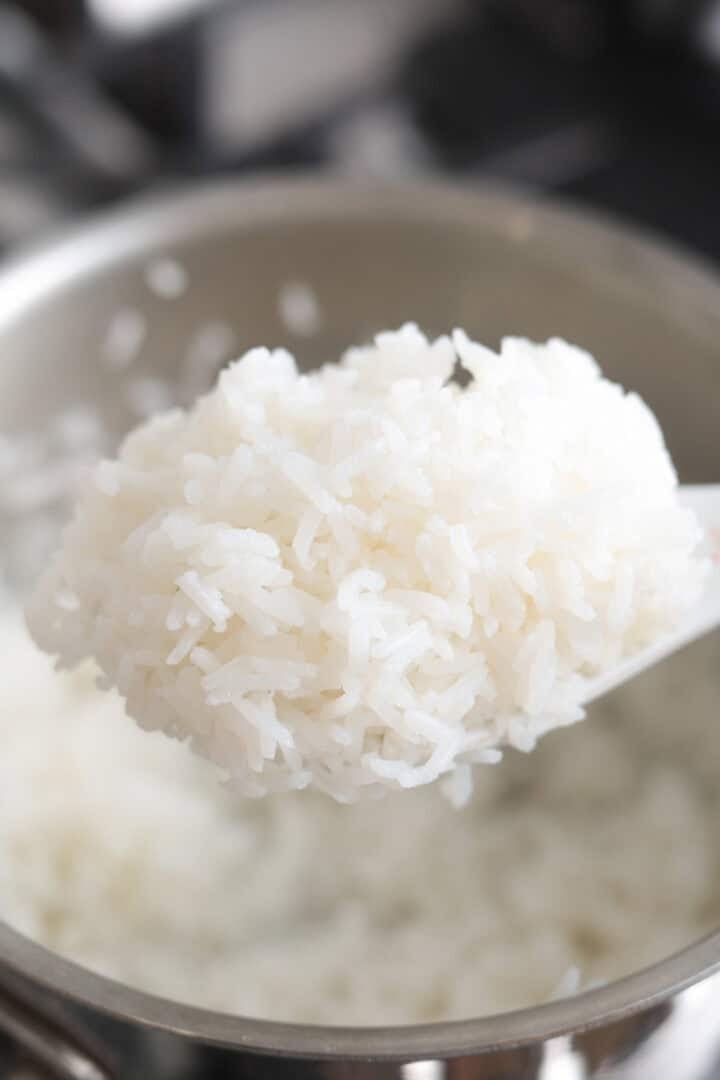
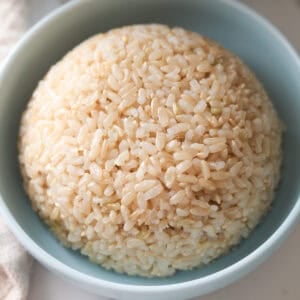
Need to cook Jasmine rice on the stove but not sure how? This easy method shows you how to make fluffy jasmine rice with just a pot, rice, and water. It’s a simple cooking method that works well for everyday meals.
Want to save this recipe for later?
Table of contents
- Reasons to Cook Jasmine Rice on the Stovetop
- What is Jasmine Rice?
- The Perfect Jasmine Rice to Water Ratio
- Ingredients
- Equipment Needed
- How to Cook Jasmine Rice on the Stove
- Should You Rinse Jasmine Rice Before Cooking?
- Pro Tips to Cook Jasmine Rice on the Stove
- How to Flavor White Rice
- What to Serve with Jasmine White Rice
- Storage and Make-Ahead Tips
- More Delicious Rice Recipes
Reasons to Cook Jasmine Rice on the Stovetop
- One simple pot - No need for a fancy rice cooker or any other cooking appliance.
- Simple ingredients - All you need is jasmine rice and water. Salt is optional.
What is Jasmine Rice?
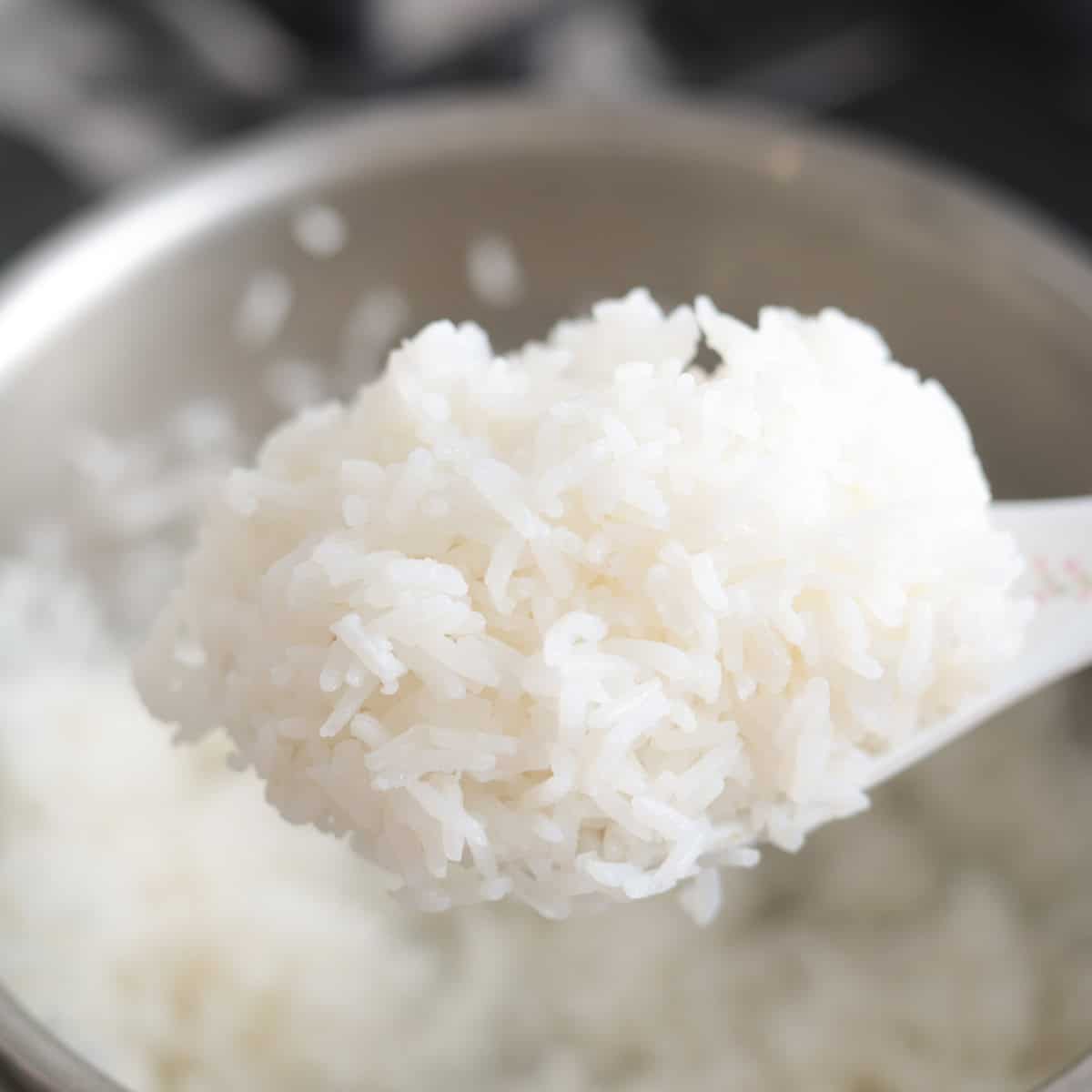
Jasmine rice is a type of white rice known for its fragrant aroma and soft, slightly sticky texture. It is commonly used in Southeast Asian cooking and has a naturally sweet, floral aroma that is especially noticeable when the rice is freshly cooked.
Jasmine rice is originally from Thailand, where it is also known as Thai Hom Mali rice, but it is also cultivated in Cambodia, Laos, and southern Vietnam. Compared with standard long-grain white rice, jasmine rice is softer, moister, and slightly stickier when cooked, but it is not as sticky as glutinous or sticky rice.
The Perfect Jasmine Rice to Water Ratio
For fluffy stovetop jasmine rice, use a 1:1 ¼ rice-to-water ratio. For every 1 US cup (about 185–190 g) of uncooked Jasmine rice, use 1¼ US cups (about 295 mL) of water.
This recipe uses US customary measurements. If you prefer to use weight, 1 cup of uncooked jasmine rice is approximately 0.19 kg (190 g), although the exact weight can vary slightly depending on the rice.
The amount of water may vary depending on the brand of rice, how thoroughly you rinse it, and your preferred texture. But this ratio is a good starting point for soft, fluffy jasmine rice without making it overly wet or sticky.
Ingredients
You only need a few basic ingredients to make jasmine rice on the stove:
- Jasmine rice - I typically use long-grain white Jasmine rice because it’s widely available in grocery stores. Do not use brown jasmine rice with this method because it requires a different cooking time and water ratio (check out my rice cooker brown rice guide).
- Water - Use water for both rinsing and cooking the rice.
- Salt (optional) - Some Asian households add a little salt when cooking rice, especially when serving it with dishes that need a little extra seasoning.
Equipment Needed
How to Cook Jasmine Rice on the Stove
1. Rinse and drain the rice
Place the jasmine rice in a bowl and rinse it under cool running water. Make sure to wash, rinse, and drain well until the water runs mostly clear. This removes excess starch from the surface of the rice.
2. Add water to the rice and cook
Add the rinsed rice and measured water to a saucepan. Place the pot over medium-high heat and bring the water to a boil.
3. Cover and simmer
Once boiling, reduce the heat to low and cover the pot with a tight-fitting lid. Simmer for about 20 minutes, or until the water has been absorbed.
4. Fluff and serve
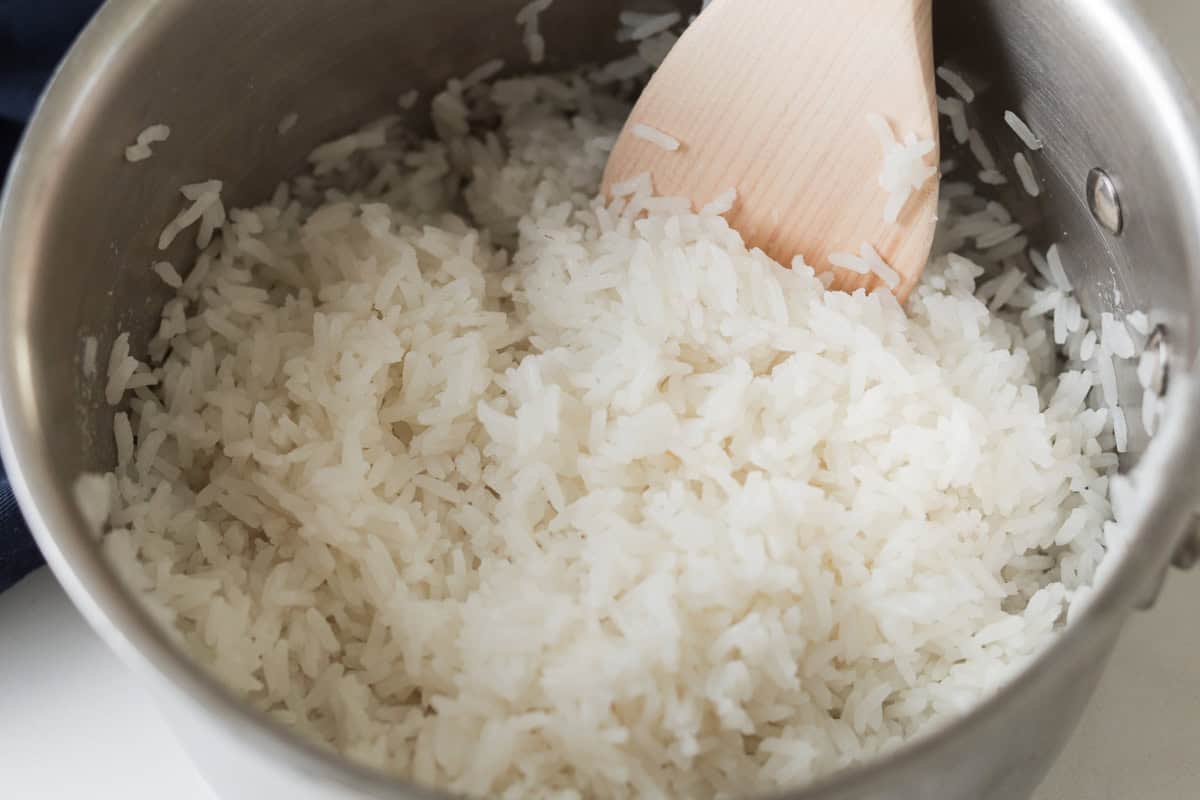
Remove the lid and gently fluff the rice with a fork or rice paddle. Serve while warm with your favorite main dishes.
Should You Rinse Jasmine Rice Before Cooking?
Whether or not to rinse rice is a bit of a debate, and different households have their own traditions for preparing rice. I personally grew up rinsing rice before cooking, and I still prefer to do it for a few simple reasons:
- Removes excess starch - Rinsing washes away some of the starch on the surface of the grains, which can help prevent jasmine rice from becoming overly sticky or gummy.
- Cleans the rice - Rinsing helps wash away dust, dirt, and other particles that may come into contact with the rice during milling, transportation, and packaging.
- May remove a small amount of arsenic: Rice can contain inorganic arsenic because rice plants absorb it from soil and water. Rinsing can remove a small amount of surface arsenic, but cooking rice in excess water and draining it afterward is much more effective at reducing arsenic.
- Can remove rice weevils: If you happen to find rice weevils or other small insects in your rice, rinsing can help remove them. They are generally not considered harmful, but I certainly don't want them in my bowl of rice!
Ultimately, rinsing jasmine rice isn't required, but I prefer to do it because it gives me cleaner rice and removes some of the excess surface starch. For me, the extra minute or two is well worth it.
Pro Tips to Cook Jasmine Rice on the Stove
- Don’t soak the rice. Leaving the rice soaking for a long time before cooking will result in mushy rice.
- Stay consistent with your rice ratio. Use the recommended rice-to-water ratio for this recipe all the time.
- Let the rice rest longer. Cooling the rice would allow for a much better texture, even out the moisture, and preserve the aroma.
How to Flavor White Rice
Jasmine rice is already fragrant on its own, but if you want a richer, more flavorful rice, try these flavor combos:
- Butter – Add a small pat of butter to the cooked rice for a rich, buttery flavor. Use as much or as little as you like.
- Chicken broth – Replace the water with chicken broth for more flavorful rice. This is especially good when serving the rice alongside meat and vegetables.
- Sweet potato and rice – Add cubed sweet potato to the rice for a naturally sweet, hearty side that pairs well with grilled meats and vegetables.
- Turmeric – Add turmeric for fragrant, golden-yellow rice with a warm, earthy flavor. I especially love serving this with grilled chicken. I made a rice cooker turmeric rice version, but you can adapt this to my stovetop method!
- Cilantro lime – Turn your jasmine rice into a Chipotle-inspired side by adding fresh cilantro and lime juice. See my rice cooker cilantro lime rice for the ingredient amounts, then adapt it for this stovetop method.
- Coconut rice – Replace some of the cooking water with coconut milk for creamy, fragrant coconut rice. It pairs especially well with curries, grilled dishes, and stir-fries. Check out my rice cooker coconut rice to adapt the measurements for the stovetop method.
What to Serve with Jasmine White Rice
- Sukiyaki - Serve jasmine rice alongside this flavorful Japanese hot pot for an easy and filling meal.
- Beef Short Ribs - Tender beef and a flavorful sauce pair well with simple steamed jasmine rice.
- Pork Katsu - Crispy breaded pork served with fluffy rice makes an easy, satisfying dinner.
- Sautéed Mushrooms - Add savory mushrooms to your rice for a simple side or light meal.
Storage and Make-Ahead Tips
Refrigerating
Allow leftover rice to cool, then transfer it to an airtight container and refrigerate for 3-4 days.
Freezing
Jasmine rice can also be frozen for longer storage. Portion the cooled rice into freezer-safe containers or bags and freeze for up to 3 months for the best quality.
Freezing and reheating cooked rice also increases the amount of resistant starch, which is digested more slowly than regular starch. This may help reduce the rise in blood sugar after eating, although the effect can vary depending on the type of rice and how it is prepared.
Reheating
To reheat refrigerated jasmine rice, place the rice in a microwave-safe bowl and sprinkle 1–2 teaspoons of water per cup of rice. Cover with a microwave-safe lid and microwave for 1–2 minutes, stirring halfway through, until heated through.
For frozen jasmine rice, you can reheat it directly from frozen. Sprinkle with 1–2 teaspoons of water per cup, cover, and microwave for 2–3 minutes, stirring halfway through. For larger portions, continue heating in 30-second intervals until hot and steaming.
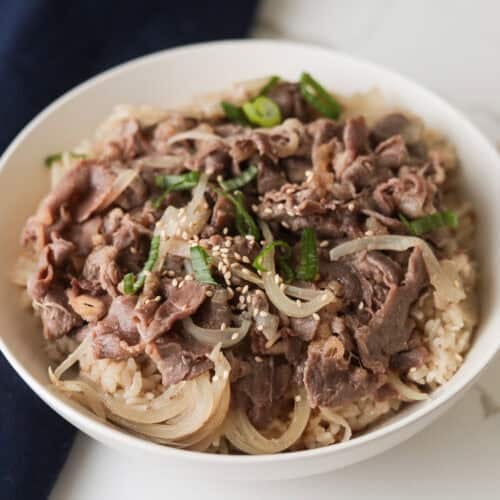
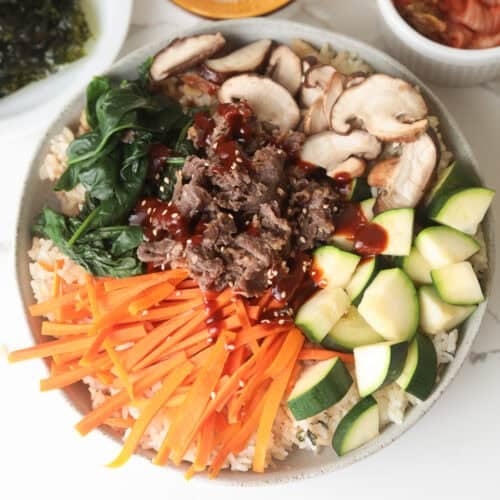
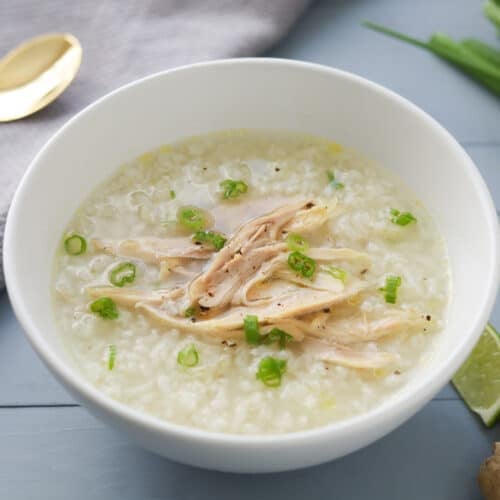
More Delicious Rice Recipes

Stovetop Jasmine Rice
Equipment
Ingredients
- 1 cup Jasmine long grain rice
- 1 ¼ cup water
- salt to taste optional
Instructions
- Add uncooked rice to the cooking pot and rinse 3 times under cold water. Drain well. Add water to the rice.
- Heat the pot on medium high heat. Once the water comes to a boil, lower the heat to low and simmer covered with a lid.
- Cook for about 20 minutes or until the water is cooked through.
- Remove the pot from the stove, and let it rest with the lid on for 10 minutes.
- When ready to eat, remove lid, fluff with rice paddle, and serve!



Leave a Reply